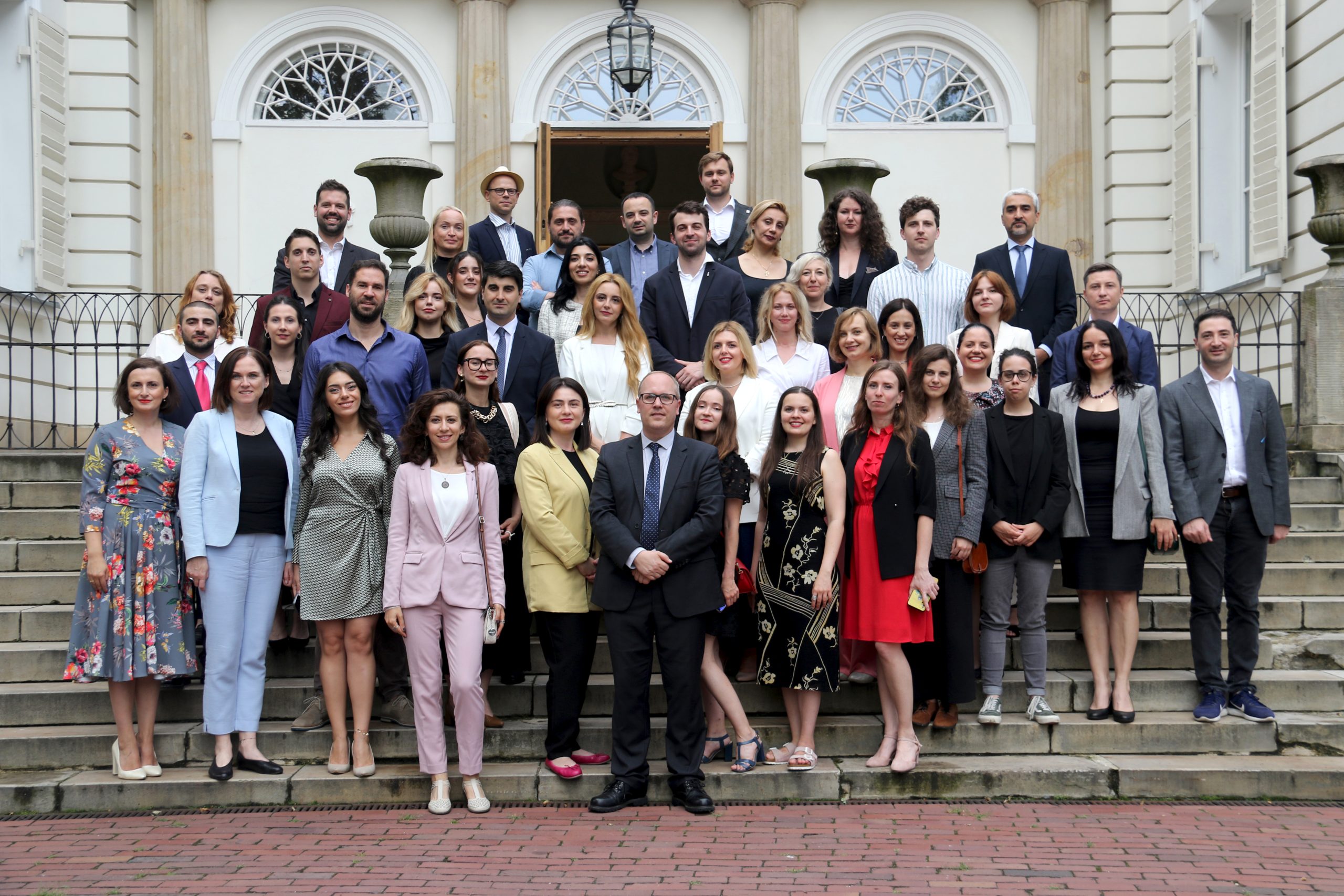
Warsaw Euro-Atlantic Summer Academy (WEASA) 2023 well concluded
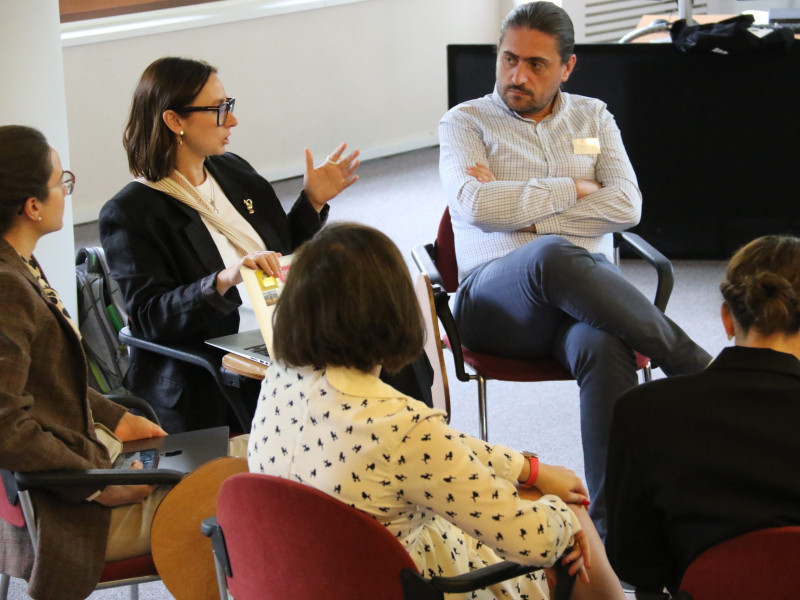
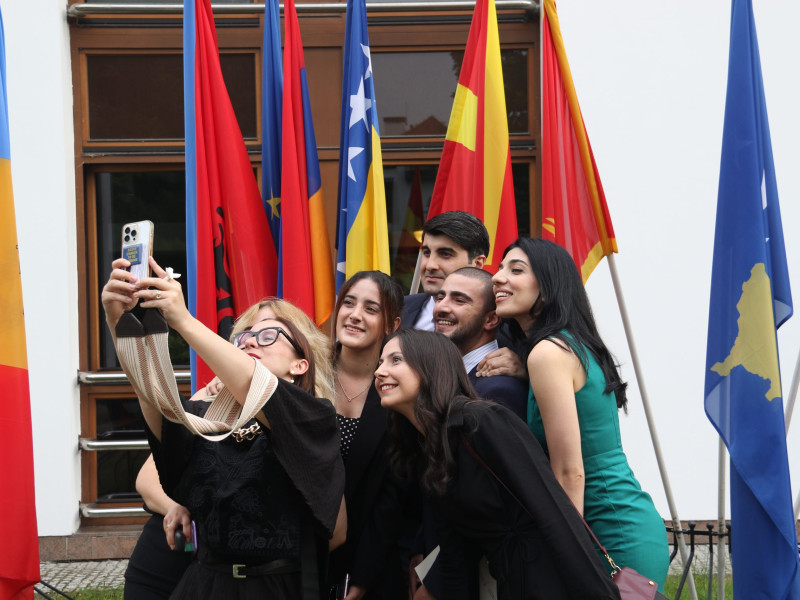
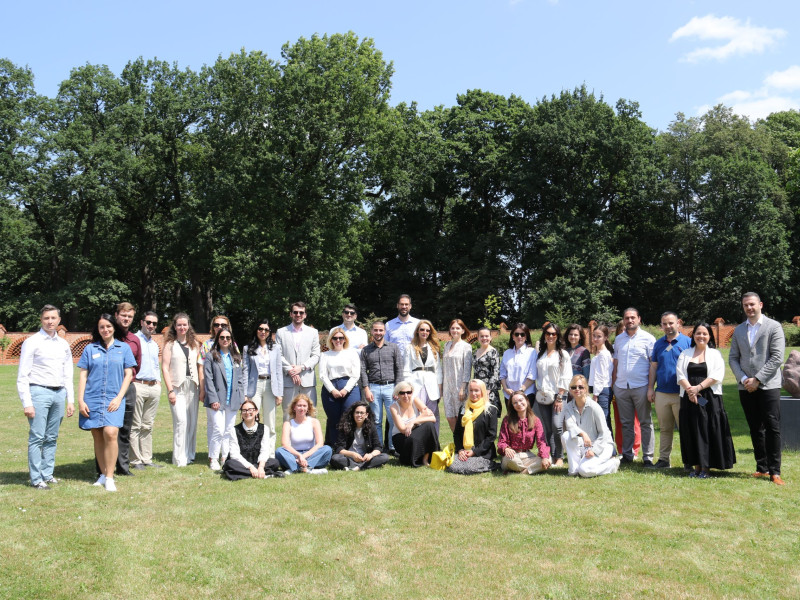
Another successful edition has been added to the history of WEASA. Held at the College of Europe in Natolin, the WEASA 2023 programme was carefully designed with the global geopolitical landscape in mind, focusing particularly on the impact of Russian aggression against Ukraine on the countries of the Eastern Partnership and the Western Balkans.
Forty representatives from 13 countries took part in the intensive 10-day summer academy, which featured panel discussions, workshops, and sessions on the future of the Eastern Partnership and the Western Balkans, the role of NATO in these regions, as well as practical advice on safely navigating the digital sphere.
The opening keynote address for WEASA 2023 was delivered by Mr Robert PSZCZEL, a former NATO official and the former head of the NATO Moscow Office.
Throughout the programme, WEASA welcomed speakers from NATO, the EU civilian mission in Ukraine, the Atlantic Council’s DFRLab, Bellingcat, Meta, the University of Westminster, the University of Graz, the European Council on Foreign Relations, and others. Full profiles of the WEASA 2023 speakers are available here.
In addition to the sessions at the College of Europe in Natolin, participants made a special visit to the Polish Diplomatic Academy, where they attended a session led by Prof. Przemysław ŻURAWSKI VEL GRAJEWSKI, Professor at the University of Łódź, adviser to the Polish Minister of Foreign Affairs, and Chair of the Presidential Security and Defence Council.
Responding to suggestions from past participants, two new elements were introduced this year. One of these was the country presentations on Euro-Atlantic integration, conducted through a SWOT analysis. This session proved highly effective, as participants identified numerous commonalities in their countries’ trajectories. Indeed, WEASA is one of the few platforms in Europe where mid-career professionals from these two distinct regions come together to address shared challenges. The discussions focused on new forms of cooperation, particularly in the areas of digital security and European integration.
Another innovation was the introduction of Oxford-style debates. The high calibre of the participants ensured a lively and insightful debate on the societal implications of ChatGPT and its usage.
Participants also had ample opportunity to network, socialise, and forge new friendships. Upon successful completion of the summer academy, they became members of the WEASA alumni network.
Warsaw Euro-Atlantic Summer Academy (WEASA) is an annual summer school for mid-career professionals from the Eastern Partnership, the Western Balkans, and Poland. Each year, the programme attracts a diverse range of policy analysts, experts, advisers, civil servants, NGO professionals, and journalists. WEASA is co-organised by the College of Europe in Natolin, the German Marshall Fund of the United States, and the Polish-American Freedom Foundation.